USDA APHIS Continues Multi-State HPAI Response as H5N1 Affects Poultry and Dairy
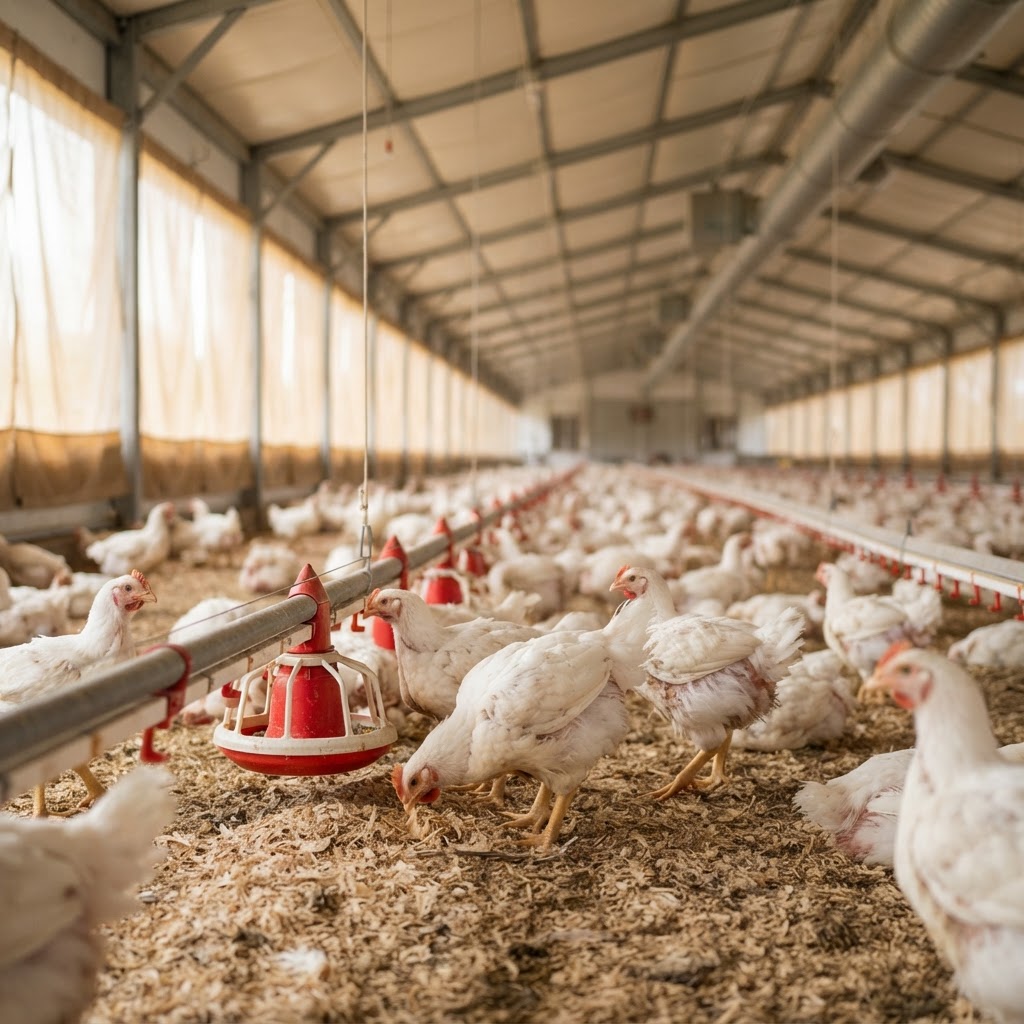
An overview of USDA's ongoing Highly Pathogenic Avian Influenza response — detection, quarantine, depopulation, and the role of documented biosecurity in indemnity eligibility.
Highly Pathogenic Avian Influenza (HPAI) H5N1 remains one of the most serious animal-health threats facing U.S. agriculture. The U.S. Department of Agriculture's Animal and Plant Health Inspection Service (USDA APHIS) leads the federal response — coordinating surveillance in wild birds, quarantine of affected premises, and depopulation of infected flocks to stop the virus from spreading.
Why documented biosecurity matters
USDA APHIS emphasizes that biosecurity is the first line of defense against HPAI. Producers with documented, consistently applied biosecurity protocols are better positioned to protect their flocks — and to meet the conditions tied to federal indemnity for losses during an outbreak.
An expanding threat
Since 2024, H5N1 has also been detected in U.S. dairy cattle, underscoring that the virus is no longer confined to birds. APHIS continues to update its guidance as the situation evolves.
What to do
- Review and update your biosecurity plan regularly.
- Train staff on entry protocols, equipment sanitation, and reporting.
- Keep records of protocols and interventions — documentation matters for indemnity eligibility.
For the latest detections, quarantines, and guidance, consult the official USDA APHIS HPAI resource linked below.
This article is an editorial summary of publicly available information from the referenced official source. Regulations and guidance change — always consult the official source for the most current requirements.