CDC Guidance on Avian Influenza A(H5N1) and Worker Protection
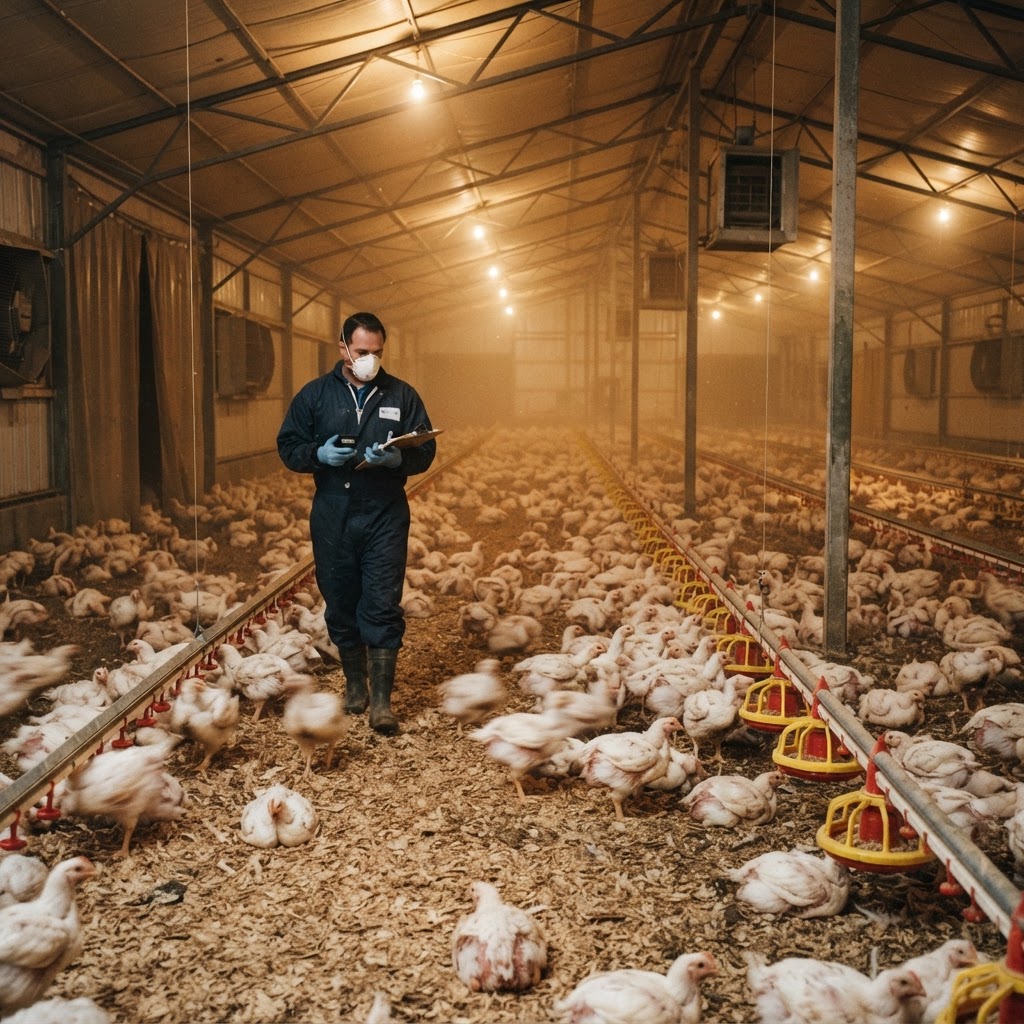
Current CDC guidance on human health risk from H5N1, occupational exposure for farm workers, and recommended precautions.
The Centers for Disease Control and Prevention (CDC) monitors the public-health risk from avian influenza A(H5N1). While human infections remain rare, cases have occurred in people with close, prolonged exposure to infected animals — including farm workers.
Who is at higher risk
Workers in poultry and dairy operations, veterinarians, and responders involved in outbreak control face greater occupational exposure. CDC recommends specific precautions for these groups.
Recommended precautions
- Use appropriate personal protective equipment (PPE) when working with potentially infected animals.
- Avoid unprotected contact with sick or dead birds or animals, and with their environment.
- Monitor for illness for 10 days after exposure and contact a health provider if symptoms develop.
Staying current
CDC updates its guidance as new cases and findings emerge. Consult the official CDC avian flu page linked below for the most recent recommendations.
This article is an editorial summary of publicly available information from the referenced official source. Regulations and guidance change — always consult the official source for the most current requirements.